“Verified” vs. “Verifiable”
Is it the new norm in negotiations (with USA)

In the history of arms control and peace negotiations, a crucial distinction has long existed between what is verifiable and what is already verified. Traditionally, diplomatic processes have leaned heavily on the former. Agreements are structured around commitments that can be checked in the future: inspections, monitoring regimes, phased compliance. Each side offers assurances - “we will do A, B, and C” - with mechanisms designed to confirm those steps over time. Trust, even if minimal, is extended provisionally, anchored in the expectation that verification systems will eventually confirm compliance.
This model has defined negotiations from Cold War arms reduction treaties to more recent nuclear frameworks. It allows talks to proceed even between adversaries, because neither side is required to fully trust the other at the outset. Instead, verification substitutes for trust. The process is forward-looking: promises first, proof later.
But that was before Trump.
Such a model depends on a baseline adherence to norms, both written agreements and unwritten rules of diplomatic conduct. When those norms are violated, the distinction between verifiable and verified becomes more than semantic; it becomes foundational. If one party demonstrates a willingness to break agreements, disregard diplomatic protections, or act unpredictably during negotiations themselves, then promises about future verifiability lose credibility.
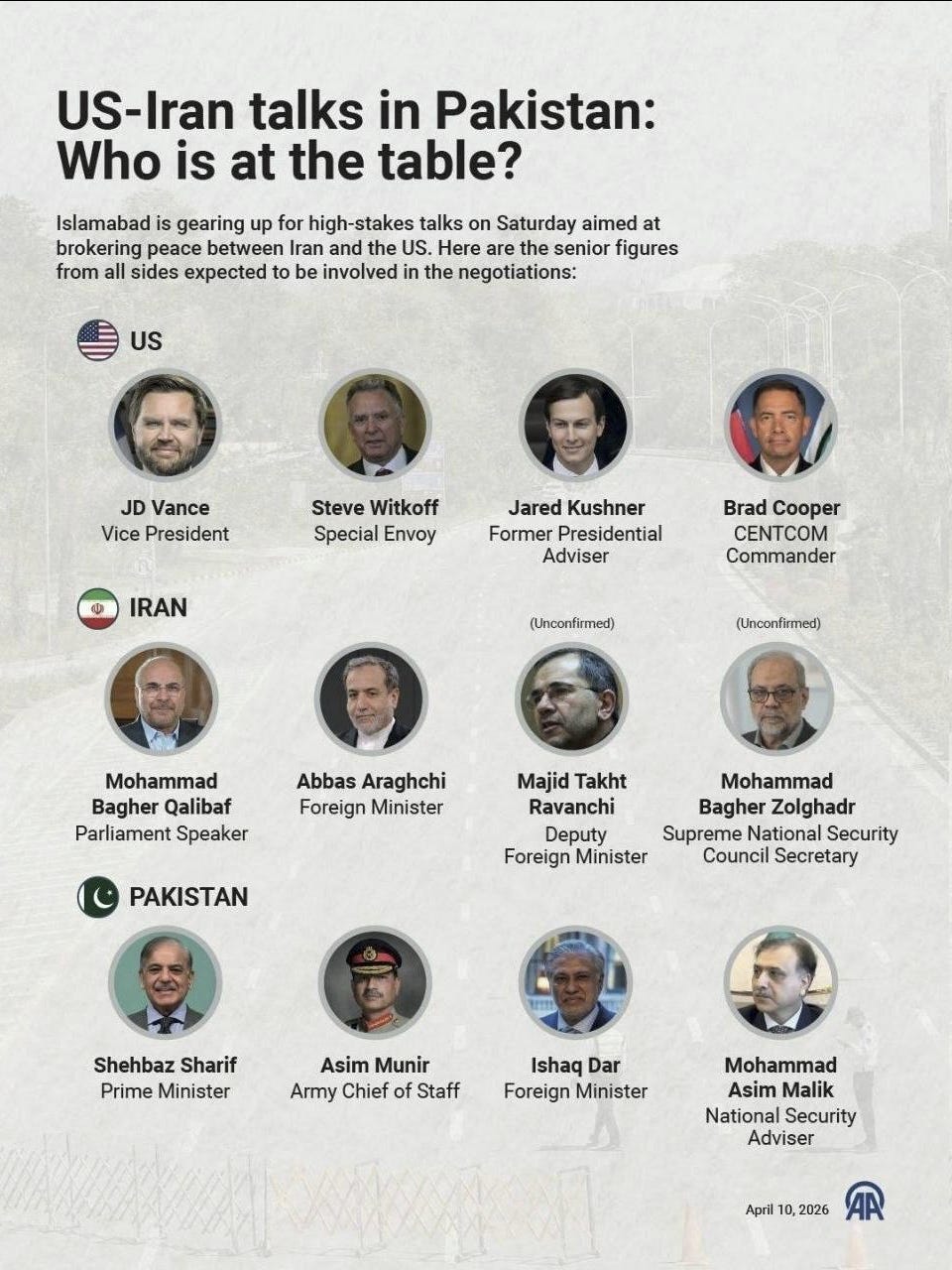
This is the altered landscape shaping the talks in Islamabad between the United States and Iran. Unlike prior negotiation frameworks, the process now seems to be at least partly shifting away from future-oriented assurances toward immediate, tangible actions. The underlying reason is straightforward: accumulated breaches of trust have rendered traditional mechanisms insufficient.
Speaking more plainly, only a fool would believe any promises or assurances given by Trump, Vance, Kushner or Witkoff.
Prior experiences have demonstrated to Iran that agreements labeled as “verifiable” may still be abandoned or undermined before verification mechanisms can even function. Actions such as withdrawing from agreements, imposing new sanctions mid-process, escalating militarily during periods of negotiation, or even assassinating the opposing negotiating team, have eroded confidence not only in outcomes, but in the process itself. Under such conditions, accepting promises contingent on future verification becomes strategically untenable. As I wrote previously, where once the US was “only” considered non-agreement capable, they have now upped their game to the next level and are now “non-negotiation capaable”.
Nonetheless talks at some point must happen. Therefore, Iran appears to be adopting a different approach, insisting on verified steps before proceeding further. The establishment of a ceasefire in Lebanon and the reported release of $7 billion in Iranian assets prior to high-level engagement are indicative of this shift. These are not promises of future compliance; they are concrete developments already realized. They represent a recalibration of negotiating posture: proof first, discussion second.
This approach fundamentally alters the structure and tempo of diplomacy. It raises the threshold for engagement, slows the pace of negotiations, and increases the burden on all parties to demonstrate sincerity through action rather than rhetoric. At the same time, it may create a more stable foundation for any eventual agreement. If each stage is built on verified realities rather than anticipated compliance, the risk of collapse due to mistrust is reduced.
The distinction between “verified” and “verifiable” thus reflects more than a technical nuance. It captures a shift in diplomatic philosophy under conditions of total distrust. Where once the international system relied on verification mechanisms to sustain fragile agreements, under the impetus of Trump and his team, it may now be moving toward a model that demands hard evidence before engagement and agreement. Whether this approach will yield more durable outcomes remains uncertain, but it undeniably marks a departure from the conventions that have long governed high-stakes negotiations.
It is also noteworthy that, contrary to Trump’s usual bombastic and bullying style, he has in fact accepted to take the verified steps outlined above. This would seem to clearly indicate which side has more leverage in the talks in Islamabad, or in Trump parlance, who has the cards.
Don't play chess with Iranians!